Breaking Down Noah Kahan’s “23” Through the Lens of Addiction, Love, and Grief
Noah Kahan’s song “23” from his new album The Great Divide captures one of the most painful parts of loving someone through addiction: grieving a person who is still alive. The song explores the complicated space between remembering who someone was, accepting who they have become, and carrying both the love and the loss at the same time.
The lyrics in The Great Divide are a literary masterpiece. I don’t know if this is a hot take, but Noah Kahan is male Taylor Swift when it comes to expressing about a dozen feelings through one lyric. Rand bridge be damned!
“23” in particular is a song that hit me somewhere deep. It reminds me of so many people I love — or have loved — whose metaphorical bedrooms I would sprint past if it meant protecting the version of them I remember from being swallowed whole by the trauma of addiction.
One thing Noah Kahan consistently captures so well in his music is the complexity of being human. Especially when it comes to addiction, grief, mental health, and the messy parts of loving people.
He never writes about people as if they are only their worst moments.
He writes about the contradiction — the anger and the compassion. The damage and the humanity. The wanting to let go and the inability to stop loving someone.
He understands that addiction does not erase who someone was before it.
And sometimes the hardest grief is mourning someone who is still here.
Some lyrics leave a lump in my throat because they feel a little too familiar, as both an addict and an observer to someone destroying themselves in addiction.
I broke these haunting lyrics down to process them, so you don’t have to. But from an addiction clinician’s perspective, you should. 😉
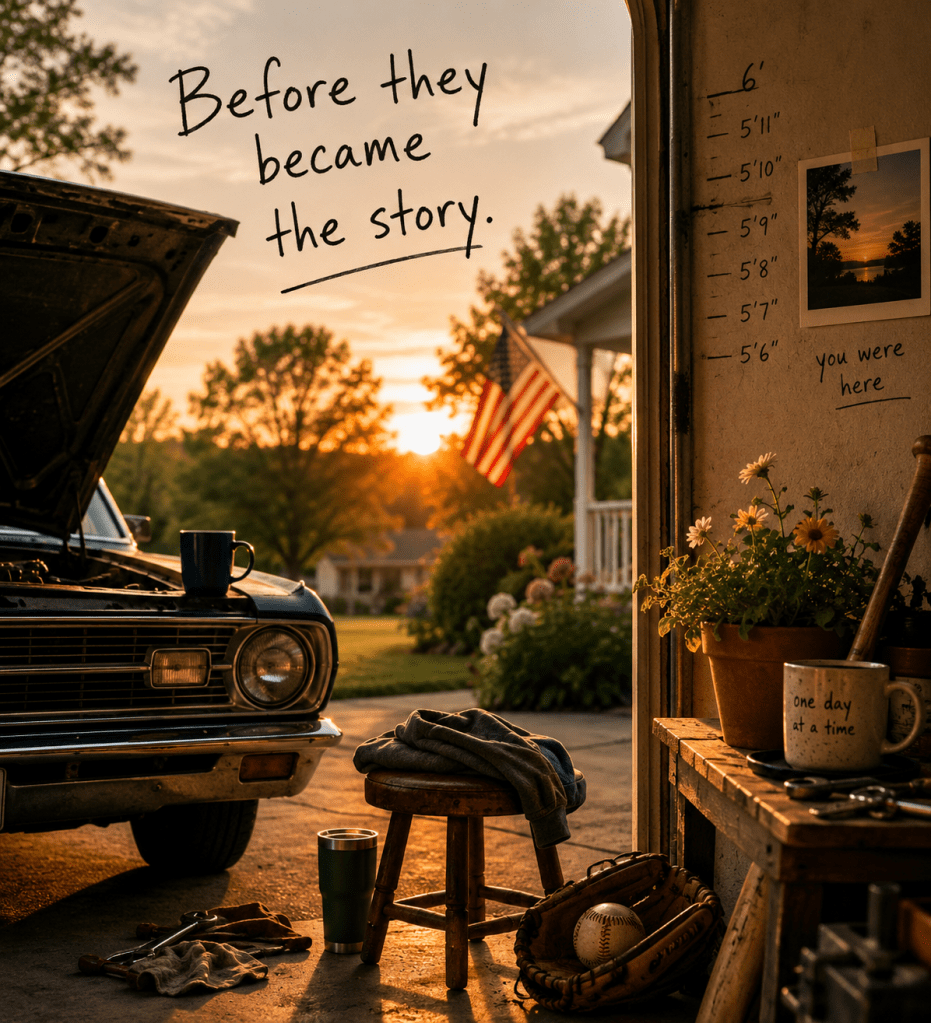
“You stand over half a foot taller than me / Your marks on the wall of the weight room / Naïve to believe you would come back and see / If I could finally take you”
The thing that makes this opening so painful is how ordinary it is.
He does not begin by describing the destruction. He does not start with the addiction, the chaos, the mistakes, or the things this person did when they were no longer themselves.
He starts with their height.
Because that is how we actually remember the people we love.
Not as their worst moment. Not as the chapter everyone else talks about. We remember the tiny, almost meaningless details that somehow become sacred after someone changes or disappears from our lives.
Their height. Their laugh. The way they walked into a room. The random things only someone who really knew them would remember.
The marks on the wall of the weight room are such a heartbreaking image because they represent growth. Progress. Becoming. And history — starting from youth.
A weight room is a place where people try to get stronger. Where they work toward a better version of themselves.
And the marks are still there.
The evidence of who this person was is still there.
That is one of the cruelest parts of loving someone through addiction. The reminders remain. The pictures remain. The memories remain.
Proof of who they were before everything got complicated is everywhere.
And then comes the heartbreaking admission: he was naïve to think they would come back and see if he could finally take them.
There is still that younger version of him wanting their approval.
Wanting them to witness who he became.
Like:
“Look at me now. I caught up. I got stronger. Would you be proud?”
But the person he wants to show may not exist in the same way anymore.
And that is the grief underneath so much of addiction.
You are not always grieving someone who is gone.
Sometimes you are grieving someone standing right in front of you, but no longer feeling like the person whose approval you spent your whole life chasing.
And when someone changes in that way, the grief does not stay private forever. Eventually, other people notice the absence too — and suddenly the person you love becomes something everyone wants explained.
“Even when you’re not here it becomes about you/They all want me to tell them your story.”
The person at the center of this song has become something bigger than themselves.
A cautionary tale. Neighborhood lore. “The story.”
They are no longer simply someone’s sibling, friend, child, partner, or loved one.
Their addiction has become the thing people ask about first.
And Noah sounds exhausted from carrying the responsibility of explaining it.
Because telling someone else’s addiction story is heavy.
If you have ever experienced the slow heartbreak of watching someone you love disappear into addiction, you know talking about it eventually becomes painful in its own way.
The updates.
The explaining.
The trying to help other people understand something you barely understand yourself.
Eventually, if that person finds recovery, something beautiful happens:
You do not have to tell their story anymore.
They get to tell it.
But until then, other people are often left holding pieces of the story addiction left behind.
And sometimes those pieces are not just emotional. Sometimes addiction leaves behind very real moments where love, trust, and history are damaged in ways that are hard to reconcile.
“You broke in and stole china from the cupboard of our old home.”
This line is so much bigger than theft.
It represents the violation of trust. The crossing of boundaries. The way addiction does not stay neatly contained inside one person — it moves through entire families, relationships, homes, and memories.
And the choice of “china” feels intentional.
China is something preserved. Protected. Passed down.
Something tied to family and history.
Something that was supposed to remain untouched.
If you have ever loved someone who pawned, stole, or destroyed something sentimental during active addiction, you understand why this line hurts.
Because sometimes addiction reaches into places we thought were safe.
And when those painful moments pile up, they can start to overshadow everything else — even the parts of someone’s life that were beautiful, meaningful, and real.

“Kinda makes all the other parts boring.”
This one might be one of the saddest truths in the entire song.
Because addiction has a way of becoming the headline of someone’s life.
Years of kindness, humor, accomplishments, relationships, and beautiful ordinary moments can suddenly become overshadowed by the hardest chapter.
The chaos becomes what people remember.
Everything else becomes a footnote.
I have felt this deeply from the other side.
Like I lived 30-something years.
I accomplished things.
I loved people.
I was a decent human.
I had an entire story.
And yet, to some people, I became summarized by the worst chapter of my life.
My “here’s what happened to me” storyline became louder than everything before it.
But one of the most beautiful parts of healing is eventually realizing nobody else gets to decide the title of your story.
Nobody gets to reduce an entire book to one chapter.
Still, even when we know someone is more than their hardest chapter, revisiting the places that hold the earlier chapters can feel almost impossible.
“Sprinting my way past your old bedroom.”
He isn’t walking past it.
He is running. He is traumatized by this experience.
Because some memories hurt too much to casually pass by.
The room represents the version of this person that still exists in his mind.
The memories are still there.
The evidence that they existed before addiction is still there.
Sometimes the hardest part is not forgetting someone.
It is remembering them too clearly.
And carrying those memories — the good ones, the painful ones, and everything in between — becomes its own kind of weight. You feel these memories in your gut.

“Lifting the weight of you off my mind.”
Throughout the song, memory is described almost like a physical object.
Something you carry.
And anyone who has loved someone struggling with addiction understands how heavy that gets.
The worry is heavy.
The hope is heavy.
The grief is heavy.
Sometimes even the love gets heavy.
But even when we try to put that weight down, there are certain people we choose to carry with us anyway.
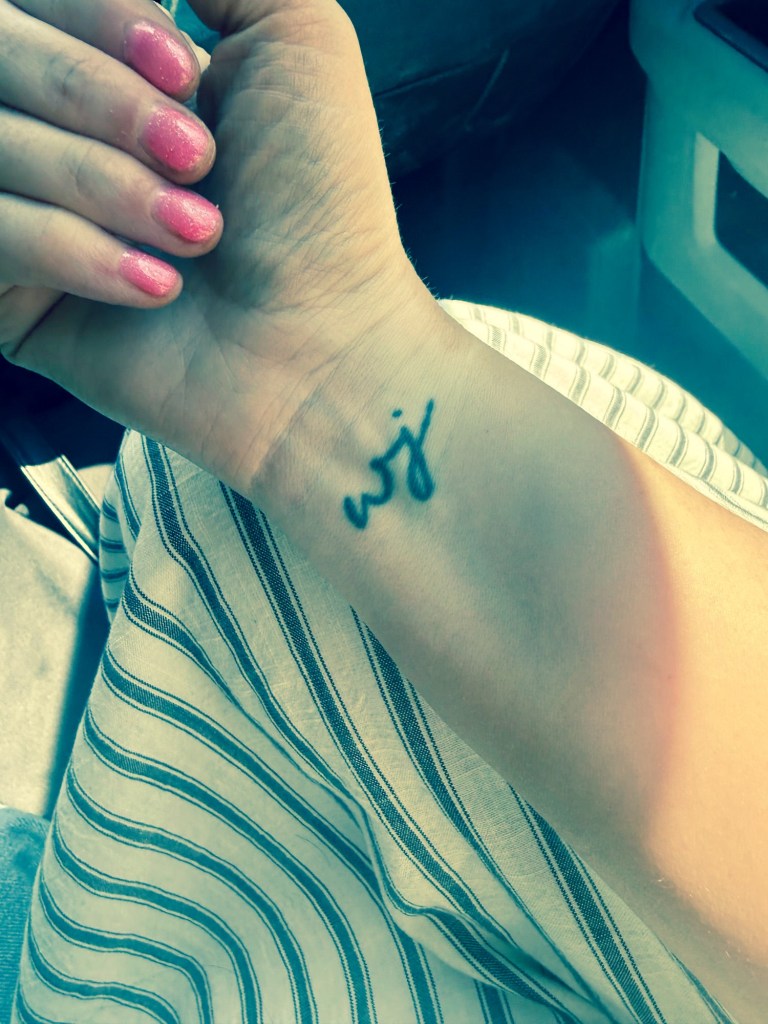
“Tattooed your initials into my right arm.”
Some absences are felt long before someone is actually gone.
A tattoo is permanent. It feels like a promise:
“Maybe you are lost right now, but I refuse to forget you.”
There is also something painfully ironic about the image.
Every time he reaches for a drink, he sees their initials.
The thing he might use to numb the pain becomes another reminder of the person he is hurting over.
Some people leave our lives in different ways, but they never completely leave us.
And eventually, the world starts telling us there is a point where we are supposed to let go — even when our hearts have not caught up.
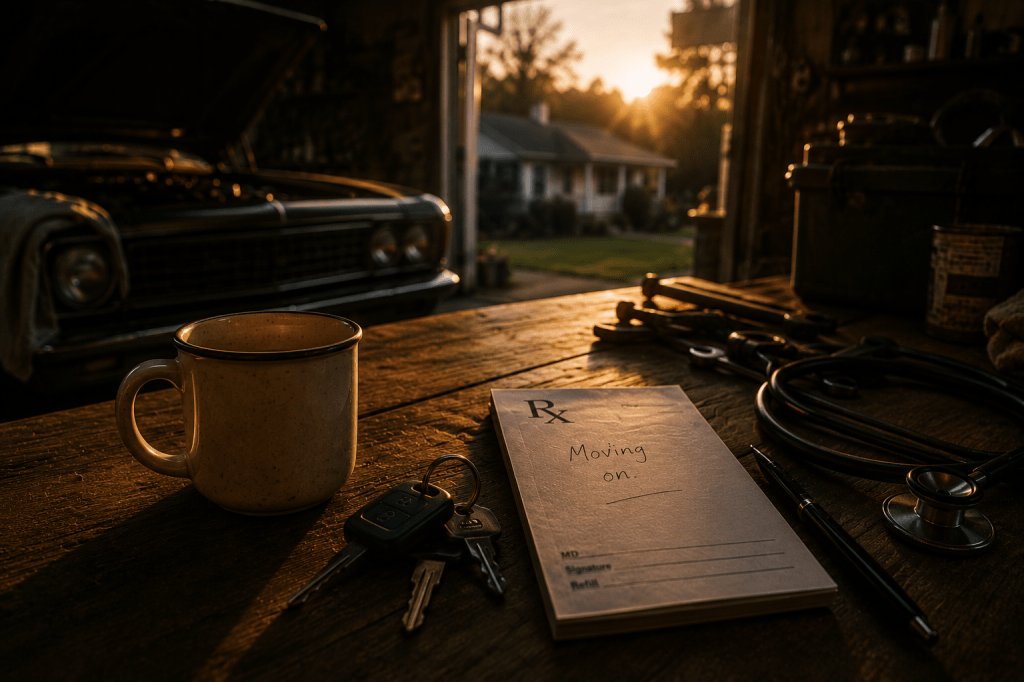
“The doctors are calling it moving on.”
The doctors feel like a representation of everyone outside the grief.
The people who put clean words on messy human experiences.
Acceptance.
Closure.
Healing.
Moving forward.
All of those things sound simple until you are the person who has to actually do them.
Because healing from someone’s pain does not mean you stop loving who they were.
And that love can become especially complicated when you are holding both the hurt someone caused and the person you know existed underneath it.

“No one gets to talk shit except those you shit on.”
This line perfectly captures the contradiction of loving someone with addiction.
Love and resentment can absolutely exist at the same time.
You can be angry.
You can be hurt.
You can acknowledge the damage someone caused.
And still be the first person to defend them when someone else reduces them to their mistakes.
It is complicated loyalty.
“I know what they did. But I also know who they are.”
Because sometimes protecting someone’s memory feels easier than facing the reality of who they became.
This line reminded me of a girl teasing my little brother on the playground as kids. My cheeks flushed with anger, as I walked over to confront the bully. I recall thinking, “Hey! That’s my baby brother and no one picks on him but me!”.
“If I never see you again, you could be anything I want.”
This is where the song really breaks my heart.
Because memory freezes people.
Reality keeps changing them.
If he never sees this person again, they can stay exactly as he remembers them.
Young.
Hopeful.
Healthy.
Full of potential.
Untouched by what came later.
Sometimes seeing someone again means accepting that the version of them you have been protecting in your mind does not exist anymore.
And that is where the song shifts into one of its deepest forms of grief: not just missing someone, but missing a specific version of them.
“23 and clean.”
He is not only grieving a person.
He is grieving a version of a person.
And that is one of the most complicated parts of addiction.
Addiction changes people.
Recovery changes people.
Trauma changes people.
Healing changes people.
Nobody comes out exactly the same.
But sometimes the version we miss most is not some perfect, idealized version. Sometimes it is just the person in the middle of an ordinary moment before everything changed.
“23, clean in the engine heat / Teachin’ me how the thing runs.”
This might actually be one of the most devastating lines because of how incredibly ordinary it is.
It is not a huge milestone.
It is not some dramatic movie moment.
It is two people standing near a car.
The engine is warm.
One person is explaining something they know to someone they love.
That’s it.
And that is exactly why it hurts.
I facilitate inpatient group therapy sometimes where I ask patients to write about their ideal day in recovery.
And almost nobody writes about winning the lottery or doing something extravagant.
Their dream days are beautifully simple.
They wake up without chaos.
They drink coffee quietly on the porch.
They make breakfast for their kids or partner.
They go to Home Depot and buy flowers.
They do yard work.
They show up to their son’s baseball game.
They go to bed feeling safe.
That’s the dream.
Not because recovery makes people boring.
Because addiction steals ordinary.
It steals the small moments most people do not realize are miracles until they are gone.
The engine heat moment represents exactly that.
It is not about the car.
It is about presence.
It is about standing next to someone you love on a regular day before regular days became something you wished you could get back.
The person he remembers was not a tragedy.
They were someone who knew things.
Someone who taught him.
Someone who laughed.
Someone who had a million ordinary moments nobody wrote songs about.
And that is the part of addiction grief people misunderstand.
You are not just grieving the worst days.
Sometimes you are grieving a random Tuesday afternoon when someone was healthy, present, and teaching you how something worked.
You are grieving the version of them who was simply there.
And sometimes, when you know how much it hurts to lose that version once, the thought of opening yourself up to losing them again feels unbearable.
“Stay gone.”
On the surface, this sounds cruel.
But I think it is one of the greatest expressions of love in the song.
I do not hear:
“I do not want you here.”
I hear:
“I do not know if I can survive losing you again.”
It reminds me of working with people who arrive after a Section 35 petition, convinced at first that someone betrayed them.
But so often, with time, they realize:
It was love.
Desperate love.
Terrified love.
“I do not know how else to keep you alive” love.
And that is what makes “23” so devastating.
It is not about abandoning someone at their lowest point.
It is about the grief of loving someone deeply and realizing love alone cannot save them.
It is mourning someone who is still alive.
It is holding onto who someone was while accepting who they have become.
Because people are never just one version of themselves.
They are not only their mistakes.
They are not only their addiction.
They are not only their recovery.
They are every version they have ever been.
And healing is learning how to hold the love and the loss at the same time.

Thanks Noah — just when I was getting over “Orange Juice”, you break me in two all over again. But, I’ll allow it.
 per this writer…
Leave a comment